
SakuraDate
Leading platform for Asian brides with extensive Korean membership from Seoul, Busan, and beyond. Features video chat with real-time translation, gift delivery, and detailed cultural compatibility matching.
Korean women combine stunning K-beauty elegance with deep family values and modern sophistication. Discover why South Korean brides make devoted, stylish, and loving partners for American men seeking lasting international marriages.
Meet Korean Women TodayThese verified platforms connect Western men with genuine Korean brides seeking serious relationships. Each site offers profile verification, Korean language support, and secure communication designed for successful cross-cultural romance.
Leading platform for Asian brides with extensive Korean membership from Seoul, Busan, and beyond. Features video chat with real-time translation, gift delivery, and detailed cultural compatibility matching.
Specializes in educated Korean women from major cities. Advanced matching algorithm considers career compatibility and shared values. Excellent for professionals seeking refined Korean partners.
User-friendly platform popular among Korean women seeking international marriage. Features include romance tours to South Korea, cultural matching, and comprehensive translation services.
Modern dating platform with strong Korean membership. Mobile-optimized design appeals to tech-savvy Korean women. Instant messaging, detailed profiles, and gift delivery throughout Korea.
Connects Western men with family-oriented Korean women who balance career ambitions with traditional values. Cultural resources help bridge differences and build understanding.
Korean mail order brides represent an exceptional choice for American men seeking partners who embody both traditional values and modern sophistication. According to U.S. immigration data, approximately 2,500-3,000 South Korean women receive K-1 fiancée visas annually, making Korea one of the most popular sources for Asian-American marriages. The remarkable success rate of Korean-American couples - with divorce rates approximately 20% lower than domestic U.S. marriages - reflects the deep commitment Korean culture instills toward marital bonds.
What distinguishes Korean brides from other Asian women is their unique blend of Confucian family values, K-beauty sophistication, and ambitious career mindset. These aren't contradictory traits but complementary qualities that Korean women balance with remarkable grace. They understand that being an excellent wife doesn't mean sacrificing personal growth, and being career-focused doesn't mean neglecting family responsibilities.
"Korean women consistently rank among the highest-educated Asian brides, with over 76% holding university degrees. This educational achievement, combined with Korea's emphasis on family hierarchy and respect, produces wives who are both intellectually stimulating partners and devoted homemakers."
Contemporary South Korean women face unique challenges in their home country. Korea's intensely competitive society creates pressure in education, careers, and even appearance standards. The phenomenon known as "Hell Joseon" among young Koreans reflects frustration with extreme work hours, housing costs, and limited work-life balance. Many accomplished Korean women find that Western partners offer more balanced lifestyle expectations and genuine appreciation for their personalities beyond social status markers.
Statistics from Korean government surveys reveal that the marriage rate has declined by 40% over the past two decades, not because Korean women don't want marriage, but because they seek partners who respect their individuality. American men who value emotional expression, share household responsibilities, and support their wives' careers become increasingly attractive alternatives to Korean men constrained by rigid Confucian gender expectations.
South Korea's different regions produce women with distinct characteristics. Women from Seoul tend to be cosmopolitan, fashion-forward, and internationally minded - many speak excellent English and follow Western trends closely. Busan women are known for their warm personalities, direct communication style, and down-to-earth approach - they're considered more approachable than their Seoul counterparts.
Women from Daegu bring traditional elegance and strong family connections - historically a conservative region, Daegu women often embody classic Korean feminine values. Meanwhile, women from Jeju Island combine natural beauty appreciation with independent spirits - the island's matrilineal diving culture produces uniquely strong, self-reliant women who value partnership over dependence.
These beautiful Korean women are actively seeking meaningful connections with American men. Each represents the elegance, intelligence, and devotion that Korean brides are celebrated for worldwide.
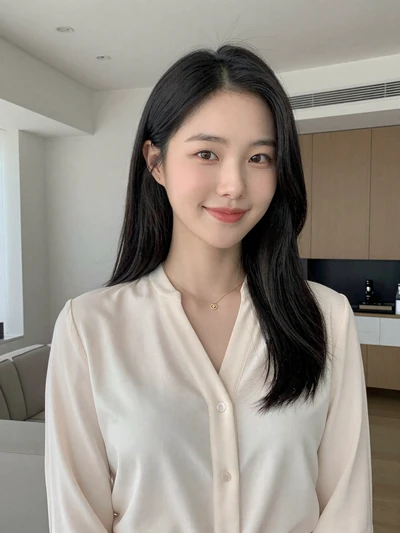
Marketing manager at a tech startup who loves skincare routines, K-drama marathons, and exploring hidden cafes. Seeking a thoughtful partner who values both ambition and family time.
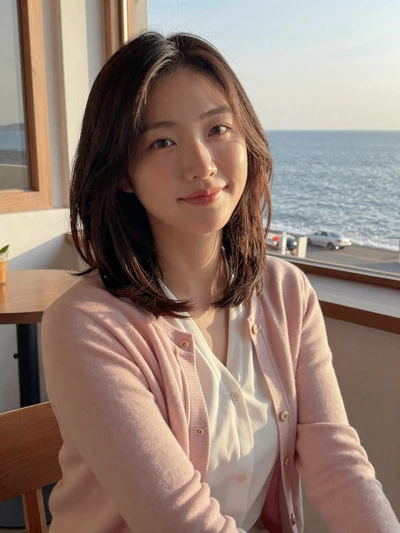
Elementary school teacher with a warm personality who enjoys beach walks, cooking traditional Korean dishes, and practicing piano. Dreams of building a loving international family.

Registered nurse with excellent English who loves traveling, trying new restaurants, and caring for others. Seeking a genuine connection with someone who appreciates dedication.
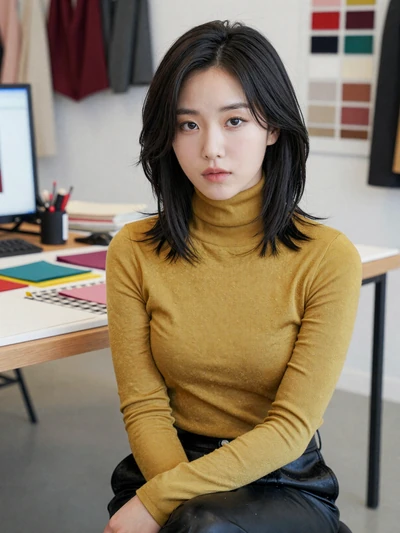
Fashion designer passionate about both traditional hanbok and modern styles. Enjoys art exhibitions, yoga, and meaningful conversations. Ready for true love abroad.
Understanding K-beauty culture reveals much about Korean women's approach to self-care, discipline, and attention to detail - qualities that translate directly into their relationships and marriages. The famous "glass skin" look that Korean women achieve isn't about vanity; it reflects dedication to consistent routines and belief that caring for yourself enables you to better care for others.
Korean skincare routines, often involving 10 or more steps, demonstrate the patience and persistence that Korean women bring to everything they value. This isn't superficial concern with appearance - it's a cultural philosophy that believes excellence requires consistent effort over time. American men who marry Korean women often discover that this same dedication applies to building marriages, maintaining homes, and nurturing children.
The K-beauty industry's global dominance - worth over $15 billion annually - reflects Korean innovation and quality standards. Korean women apply these same standards to their professional lives, home environments, and relationships. When a Korean wife commits to something, whether a skincare routine or a marriage, she pursues excellence consistently rather than giving up when results don't come immediately.
Korean women are among the world's most fashion-conscious. Seoul consistently ranks as a global fashion capital, and even everyday Korean women invest significant attention in their appearance. This extends beyond clothing to overall presentation - how they speak, carry themselves, and present their homes. For American men, having a Korean wife often means living a more aesthetically pleasing life with well-decorated homes, thoughtfully chosen wardrobes, and attention to presentation in social situations.
However, Korean beauty standards also create pressure that motivates some women to seek Western partners. Korea has the world's highest rate of cosmetic surgery, reflecting sometimes unrealistic beauty expectations. American men who appreciate natural beauty and value inner qualities provide refreshing alternatives to Korean women tired of appearance-focused dating cultures.
Korean women typically maintain healthy lifestyles that contribute to longevity and vitality. Traditional Korean cuisine - heavy on vegetables, fermented foods like kimchi, and balanced nutrition - promotes wellness without sacrificing flavor. Korean wives often introduce their American husbands to healthier eating habits, contributing to improved wellbeing for the entire family.
Exercise culture in Korea emphasizes activities like hiking, yoga, and dance rather than heavy gym workouts. Korean women maintain their figures through consistent, moderate activity combined with nutritious eating. This approach to health reflects the broader Korean philosophy of balance - working hard but also taking care of physical and mental wellbeing.
Korean weddings blend ancient Confucian traditions with modern celebrations, creating ceremonies that honor heritage while embracing contemporary life. Understanding these traditions helps you appreciate what your Korean bride values and how to create meaningful wedding experiences that honor her culture.
Traditional Korean weddings follow rituals dating back thousands of years. The ceremony typically includes the "pyebaek" - a private post-wedding ritual where the bride formally greets her new in-laws by bowing deeply and offering dates and chestnuts (symbolizing fertility). The groom's parents throw the dates and chestnuts back, and tradition says the number caught predicts how many children the couple will have.
During pyebaek, the couple drinks from two halves of a gourd, symbolizing their union as complementary parts of a whole. The groom often gives his bride a piggyback ride, demonstrating his commitment to carrying her through life's challenges. These intimate rituals create meaningful moments that many Korean-American couples choose to include even in Western-style weddings.
Contemporary Korean weddings often occur in wedding halls - purpose-built venues that handle multiple ceremonies daily. While efficient, many Korean women dream of more personalized celebrations. International marriages offer opportunities for unique wedding experiences that combine Korean traditions with Western elements your Korean bride may have admired in movies and media.
Gift-giving plays a significant role in Korean weddings. Guests typically give cash in white envelopes, with amounts varying based on relationship closeness. The couple provides elaborate gifts to the bride's family (called "yemul"), demonstrating the groom's ability to provide. Understanding these expectations helps you navigate family relationships respectfully.
Family approval matters enormously in Korean culture. Before considering marriage, Korean couples typically arrange formal meetings between families called "sanggyeonrye." For international couples, this meeting becomes especially important - you're not just proving yourself to your girlfriend but demonstrating your worthiness to her entire family.
Korean parents typically evaluate potential sons-in-law based on career stability, educational background, family reputation, and ability to support their daughter comfortably. As a foreigner, you'll also be assessed on cultural respect, Korean language efforts, and understanding of Korean customs. Coming prepared, dressing formally, and bringing quality gifts creates positive first impressions.
The hanbok - traditional Korean clothing - holds deep cultural significance, especially in wedding contexts. Understanding hanbok meaning demonstrates cultural appreciation that Korean women and their families value deeply.
Traditional wedding hanbok features specific colors with symbolic meaning. The bride wears a red or green chima (skirt) with a yellow jeogori (jacket), representing the harmony of yin and yang. Elaborate embroidery featuring flowers, birds, and butterflies symbolizes wishes for fertility, longevity, and happiness. The groom wears a blue ceremonial robe, completing the color symbolism representing cosmic balance.
Modern Korean brides often wear both hanbok for traditional ceremonies and Western white gowns for the main celebration. Many Korean-American couples choose to include hanbok elements in their weddings - even just for photo sessions - as a way of honoring Korean heritage while embracing their new multicultural identity.
Hanbok has experienced a cultural renaissance in recent years, thanks partly to K-drama popularity and government promotion efforts. Many young Korean women own at least one hanbok for special occasions like Lunar New Year (Seollal) and Chuseok (Korean Thanksgiving). Your Korean wife will likely want to wear hanbok for these holidays and may appreciate your willingness to wear men's hanbok as well.
Rental hanbok experiences have become popular in tourist areas like Seoul's Gyeongbokgung Palace and Jeonju's Hanok Village. When visiting Korea to meet your bride, participating in hanbok photo sessions shows cultural engagement that Korean families appreciate. These photos also make meaningful keepsakes documenting your cross-cultural journey together.
Successfully courting Korean women requires understanding cultural nuances that differ from Western dating norms. These insights help you make positive impressions and build genuine connections.
Korean couples communicate frequently - multiple daily texts and regular calls are expected once relationships become serious. This reflects Korean culture's emphasis on "jeong" - a deep emotional bond built through consistent attention and care. American men who prefer independent communication styles should prepare for more intensive connection than they may be used to.
Learning Korean phrases creates strong positive impressions. Basic greetings like "Annyeonghaseyo" (hello), "Kamsahamnida" (thank you), and romantic expressions like "Saranghae" (I love you) demonstrate effort that Korean women appreciate. Many Korean women speak English well, but your willingness to learn their language signals commitment to understanding their culture.
Korean dating culture emphasizes regular gift-giving and celebration of couple milestones. Couples celebrate not just yearly anniversaries but monthly "monthsaries" - especially during the first year. Korean women expect thoughtful gifts on Valentine's Day (February 14), White Day (March 14), and Pepero Day (November 11), plus birthday and Christmas presents.
Couple items - matching outfits, accessories, or phone cases - are extremely popular in Korean dating culture. While this may seem excessive to Western sensibilities, participating in couple culture shows your Korean girlfriend that you're proud of your relationship and willing to embrace her cultural practices.
Korean social life revolves around tight-knit friend groups. Your Korean girlfriend's friends will evaluate you carefully, and their opinions significantly influence her decisions. Making effort to engage with her social circle - joining group activities, showing interest in Korean pop culture, and demonstrating good manners - builds broader support for your relationship.
Korean social drinking culture involves specific etiquette. When drinking with elders or superiors, turn away slightly while drinking and use both hands when pouring or receiving. These small gestures communicate respect and cultural awareness that Korean people notice and appreciate.
Korean mail order brides offer American men exceptional opportunities for marriages characterized by elegance, dedication, and mutual growth. Understanding the essential facts helps you approach this journey with realistic expectations:
Whether you're drawn to the cosmopolitan sophistication of Seoul women, the warm friendliness of Busan natives, or the traditional values of Daegu residents, Korean brides bring unmatched elegance, dedication, and cultural richness to international marriages. With patience, respect, and genuine appreciation for Korean culture, you can find lasting happiness with a Korean wife who embodies the perfect balance of beauty, intelligence, and devotion you seek.
Korean women seek American husbands for several reasons. Korea's highly competitive society creates intense pressure in careers and dating. Traditional Korean men often prioritize work over family, and Confucian gender expectations can feel restrictive. American men who value emotional expression, work-life balance, and equal partnerships offer attractive alternatives. Many Korean women also admire American culture through media and see international marriage as an opportunity for personal growth.
Total costs typically range from $15,000 to $25,000. This includes dating platform memberships ($30-50/month), communication credits with translation ($150-300/month), trips to Korea ($5,000-8,000 each), gifts and dating expenses (Korean dating culture is gift-intensive), and K-1 visa processing ($1,500-2,500). Korea's high cost of living and gift-giving expectations make it more expensive than some Asian destinations.
English proficiency varies but is generally good among younger, educated Korean women. English is mandatory in Korean schools for over 10 years, and many Koreans supplement with private tutoring. Women from Seoul and major cities often speak functional to excellent English. However, older generations or women from rural areas may have limited English. Dating platforms provide translation services for smoother communication.
Korean parents typically evaluate potential sons-in-law based on career stability, educational background, and ability to provide comfortable lifestyle. For foreigners, they also assess cultural respect, Korean language efforts, and understanding of Korean customs. Coming to formal meetings dressed formally, bringing quality gifts, and demonstrating concrete plans for their daughter's future creates positive impressions.
Korean culture generally accepts moderate age gaps, viewing older men as more stable and mature partners. Age differences of 5-10 years are common and accepted. However, age hierarchy deeply influences Korean social interactions - older partners receive formal language respect. Very large age gaps (15+ years) may face more skepticism from families concerned about long-term compatibility.
Most Korean women want to maintain cultural connections while embracing American life. They typically want to celebrate Korean holidays (Seollal, Chuseok), cook Korean food regularly, and potentially teach children Korean language. Supporting these cultural practices strengthens your marriage. Many Korean wives also appreciate American customs and enjoy creating unique multicultural family traditions.
Korean dating culture involves frequent communication (multiple daily texts expected), regular gift-giving, and celebration of monthly "monthsaries" alongside anniversaries. Couple items (matching outfits/accessories) are popular. Korean women expect consistent attention and view communication frequency as evidence of commitment. Adapting to these expectations demonstrates willingness to honor her cultural practices.
K-1 visa processing for Korean citizens typically takes 8-12 months from petition filing to visa issuance. The U.S. Embassy in Seoul handles applications efficiently. Required documents include proof of meeting in person within two years, relationship evidence (photos, communications, travel records), and background checks. Working with an immigration attorney familiar with Korean cases helps ensure smooth processing.